
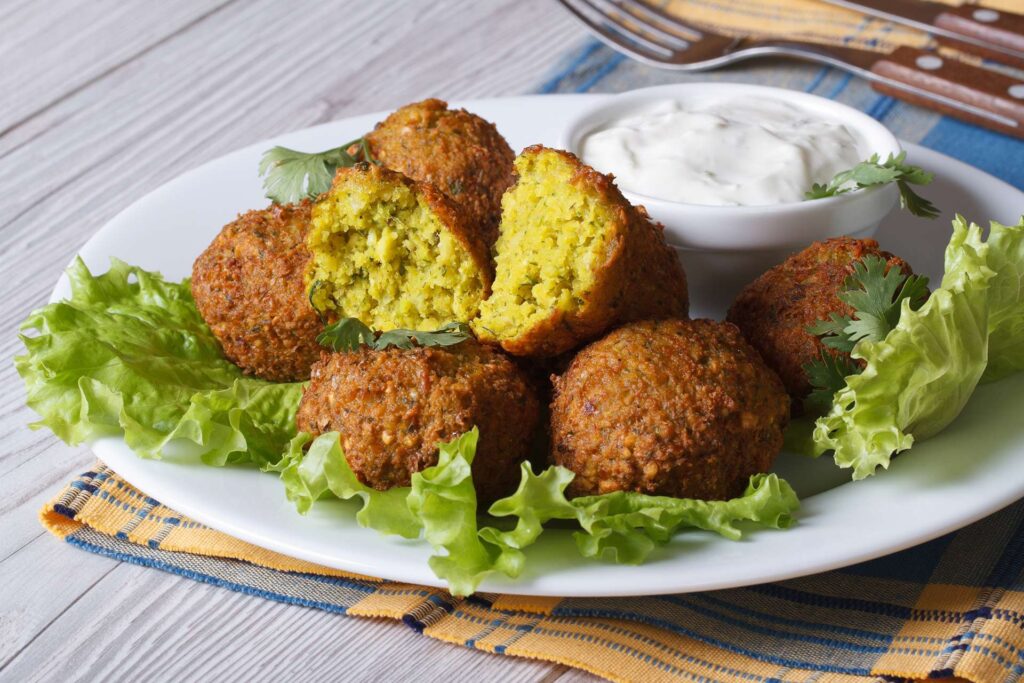
Traditional falafel is naturally gluten-free. It’s made from ground chickpeas (or fava beans), fresh herbs, and spices, with no wheat in the classic recipe. The catch is that “naturally gluten-free” and “safe for celiac” aren’t always the same thing. Some recipes add wheat flour as a binder, plenty of restaurants fry falafel in shared oil, and what it’s served with (pita, usually) can bring gluten back to the plate. So yes, falafel is gluten-free, though there are a few things to check first.
If you eat gluten-free, for celiac disease, a sensitivity, or just by preference, this guide lays out when falafel is and isn’t gluten-free, how to tell whether a restaurant or store-bought option is safe for you, and which choices let you enjoy it without second-guessing. We’ll keep it practical, since this is the kind of thing you want sorted out before you order or buy.
Is Falafel Gluten-Free? The Short Answer
Yes. Authentic falafel is gluten-free by nature. The traditional Middle Eastern recipe is built on chickpeas (also called garbanzo beans) or fava beans, parsley, garlic, onion, and warm spices like cumin. Not one of those contains gluten.
Where it gets nuanced is in the details, and those vary from one kitchen or brand to the next. Some recipes stir in a little wheat flour to help the mixture hold together. Many restaurants fry falafel in the same oil they use for breaded foods, which can cause cross-contamination. If you have celiac disease or you’re highly sensitive, those details matter. The reassuring part is that a couple of quick checks, plus brands that are open about how their falafel is made, keep it an easy gluten-free food to keep in rotation.
What Is Falafel Made Of?
Knowing what goes into falafel is the key to understanding why it’s naturally gluten-free. At its core, the authentic version is a short list of whole, plant-based ingredients:
- Chickpeas or fava beans. The foundation. Chickpeas (garbanzo beans) are most common in Mediterranean-style falafel; some traditions use fava beans or a blend of the two. All are naturally gluten-free legumes.
- Fresh herbs. Parsley, and sometimes cilantro, for that signature green color and bright flavor.
- Aromatics and spices. Garlic, onion, cumin, and coriander give falafel its savory, warm depth.
- A little leavening and oil. Baking powder for a light texture, and oil for cooking.
Notice what’s missing: wheat. The legumes’ own starch binds the mixture, so the classic version needs nothing gluten-containing at all. It’s the same reason falafel is vegan. For a closer look at the blend and how to make it at home, see our guide to what falafel mix is made of.
When Falafel Is Not Gluten-Free
So if the base recipe is gluten-free, how does gluten get in? Three ways, mainly, and they’re worth knowing so you can ask the right questions.
1. Wheat Flour Used as a Binder
Some homemade recipes and a handful of commercial brands add wheat flour or breadcrumbs to help the mixture bind, especially when canned chickpeas make the dough wetter. That one addition turns an otherwise gluten-free food into one that isn’t. The fix is easy enough: pick recipes and products that bind with chickpea flour or nothing at all, and scan the ingredient list for wheat, flour, or breadcrumbs.
2. Cross-Contamination From Shared Fryers
This is the big one when you’re eating out. Even if the falafel recipe is gluten-free, frying it in oil that also cooks breaded items like onion rings, mozzarella sticks, or breaded chicken can transfer gluten. For anyone with celiac disease, that shared oil is a genuine risk, and the same goes for shared prep surfaces and utensils. Before you order, ask whether the falafel is fried in dedicated, gluten-free oil.
3. What It Is Served With
Falafel usually arrives in or next to pita, which is wheat. The sides and sauces can trip you up, too: some bottled sauces lean on wheat-based thickeners, and tabbouleh is built on bulgur wheat. The falafel itself can be perfectly fine while the rest of the plate isn’t. Trade the pita for a gluten-free wrap, lettuce cups, a bowl over rice or quinoa, or a salad, and give the sauces a second look.
How to Know If Falafel Is Safe (for Celiac and Gluten Sensitivity)
A bit of label-reading and a couple of well-aimed questions go a long way:
- Read the ingredient list and allergen statement. On packaged falafel, look for wheat, flour, or breadcrumbs in the ingredients, then check the “contains” and “may contain” lines.
- Check how it’s labeled. “Made with naturally gluten-free ingredients” tells you the recipe avoids gluten. A “certified gluten-free” seal means the product has been tested to meet strict thresholds, which is reassuring if you have celiac disease.
- Ask the right question at restaurants. Don’t stop at “Is the falafel gluten-free?” Ask whether it’s fried in dedicated oil, away from breaded foods. That’s the part that determines safety for celiac diners.
- Mind the extras. Ask for a gluten-free wrap or a bowl instead of pita, and confirm the sauces and sides are gluten-free.
One distinction is worth keeping straight: “made with naturally gluten-free ingredients” and “certified gluten-free” are related but not the same. The first describes the recipe. The second reflects testing and certification. If you have celiac disease, checking which one a product carries on its current packaging helps you choose with confidence. Treat all of this as general guidance rather than medical advice, and for your own health needs, follow your healthcare provider’s recommendations.
Is Store-Bought or Frozen Falafel Gluten-Free?
It depends on the brand, which is exactly where label-reading earns its keep. Plenty of frozen and store-bought falafel is made with naturally gluten-free ingredients, though a few rely on wheat-based binders, so the answer really does vary from one package to the next. People often want to know about specific options, whether that’s Trader Joe’s on the shelf or a chain like Cava on the menu. The guidance is the same, whatever the name: check that product’s current packaging or website, and at a restaurant, ask about shared fryers, because recipes and policies change over time.
Where Hafle Foods fits, Hafle builds its falafel on a naturally gluten-free base of garbanzo beans and fava beans, fresh vegetables, herbs, and spices, with no wheat-flour binder, and offers it as a gluten-free product. As with any food, if you have celiac disease or a serious sensitivity, check the current packaging for certification and allergen details. (Hafle’s falafel also contains sesame.) Trust tends to come down to how openly a brand explains the way its product is made, and a 50-plus-year family manufacturing heritage in an SQF-certified facility is a meaningful signal when you’re choosing for your family.
Ready to stock up? Browse Hafle’s frozen falafel collection, from traditional falafel to bite-sized minis, then find it near you on the Where to Buy page.
Gluten-Free Falafel at Home
Making gluten-free falafel at home is easy, and it puts you in control of every ingredient. The most straightforward route is a falafel mix made with naturally gluten-free ingredients: a chickpea-flour base means there’s no wheat to think about. Add water, shape, and cook by air frying, baking, or pan-frying. Our guide on what falafel mix is and how to use it walks through the steps.
Going from scratch? Keep it gluten-free by binding with chickpea (garbanzo) flour rather than wheat, or skip added flour altogether and let the legumes hold things together. Then serve it the gluten-free way:
- Build a bowl. Serve falafel over rice, quinoa, or greens with cucumber, tomato, and a drizzle of tahini.
- Wrap it differently. Use a gluten-free wrap or crisp lettuce cups in place of pita.
- Top a salad. Crisp falafel adds plant protein and crunch to any Mediterranean salad.
For more gluten-free serving ideas and recipes, head to Explore the Mediterranean and our falafel bowl recipes.
Is Falafel Vegan and Gluten-Free?
Yes, and that pairing is a big part of why falafel travels so well. The traditional recipe is naturally gluten-free and 100% plant-based, with no meat, dairy, or eggs. One dish ends up working for gluten-free, vegan, and vegetarian eaters at the same table, which is hard to pull off. Hafle’s falafel is vegan and made with gluten-free ingredients, so it covers a lot of dietary ground without leaving anyone out.
Frequently Asked Questions
Is falafel gluten and dairy-free?
Traditional falafel is both gluten-free and dairy-free. The classic recipe, chickpeas or fava beans with herbs and spices, has no wheat and no dairy. The thing to watch is what’s served alongside: most tahini is dairy-free, but some creamy dips contain yogurt. Check labels if you’re avoiding both.
Is chickpea flour gluten-free?
Yes. Chickpea flour (also called garbanzo bean flour or gram flour) is made entirely from ground chickpeas and is naturally gluten-free. It’s a common stand-in for wheat flour and forms the base of authentic falafel, which is part of why traditional falafel is gluten-free.
Are falafel balls gluten-free?
Falafel balls made the traditional way, from ground chickpeas, herbs, and spices, are gluten-free. The exceptions are recipes or brands that add wheat flour or breadcrumbs as a binder, and restaurant falafel fried in shared oil. Read the ingredient list, or ask about dedicated fryers when you’re out.
Are falafel chips gluten-free?
It depends on the product. Some falafel-flavored or chickpea-based chips are gluten-free; others include wheat. Since “falafel chips” vary widely by brand, read the ingredient list and allergen statement on the specific package to be sure.
Is Cava or Trader Joe’s falafel gluten-free?
Brands and restaurants differ, and their recipes and frying practices can change, so we can’t speak for them directly. The dependable approach is to check that brand’s current packaging or website, and at a restaurant, ask whether the falafel is fried in dedicated, gluten-free oil before you order.
Does Hafle Foods falafel contain gluten?
Hafle’s falafel uses a naturally gluten-free base of garbanzo and fava beans, vegetables, herbs, and spices, with no wheat-flour binder, and is offered as a gluten-free product. It does contain sesame. If you have celiac disease or a serious sensitivity, check the current packaging for certification and allergen details.
Enjoy falafel without second-guessing it. Shop Hafle’s gluten-free frozen falafel, explore the full range of authentic Mediterranean products, and find Hafle near you on Where to Buy. Questions about ingredients or allergens? Visit our FAQ or get in touch.
Hafle Foods: authentic, plant-based, and made for sharing. Mediterranean flavor that everyone at the table can enjoy.t, wholesome, plant-based meals can be. Don’t forget to pair your perfectly cooked falafel with our authentic tahini sauce for the complete Mediterranean experience.